
How to Find Cheapest Movers in Dubai

Strategic insights to reduce your Dubai moving costs without compromising service quality.
Essential Cost Factors
Moving costs range from AED 1,100 for 1-bedroom apartments to AED 6,000+ for villas. Distance, volume, access complications, and seasonal demand directly impact your final bill.Proven Savings Methods
Mid-month weekday moves save 15-25% compared to peak periods. Decluttering before moving and comparing multiple licensed providers reduces costs while maintaining quality service.Avoid These Mistakes
Extremely low quotes often indicate unlicensed operators or hidden fees. Verify DED licensing, request written contracts, and never pay full amounts before completion to protect yourself.
Relocating in Dubai doesn't have to drain your budget. Understanding pricing structures and timing your move strategically can save you hundreds of dirhams while ensuring your belongings receive professional care. This guide shows you exactly how to compare quotes effectively, negotiate better rates, and avoid common overcharging tactics used by moving companies.
Understanding Moving Costs in Dubai
Finding affordable movers in Dubai starts with understanding the local pricing structure. Moving costs in the UAE vary significantly based on several key factors that directly impact your final bill.
The average cost for a local move in Dubai in 2026 is AED 1,100 for a 1-bedroom apartment and AED 2,500 for a 2-bedroom apartment, according to MoveConnector’s 2026 UAE Moving Cost Guide. Villa relocations can cost AED 3,000 to AED 6,000 or more. These figures fluctuate based on property size, distance, and service level.
Studio apartments generally sit at the lower end, while 3-4 bedroom villas require larger crews and specialized equipment.
Primary Cost Factors
Distance plays a crucial role in pricing calculations. Moves within the same neighborhood (Dubai Marina to JBR, for example) cost substantially less than cross-emirate relocations from Dubai to Sharjah or Abu Dhabi.
Local moves within the same city are generally more affordable, while inter-emirate moves incur higher costs due to greater distances and logistical complexities, notes a 2024 UAE moving cost analysis.
Volume and weight determine crew size and truck capacity. A one-bedroom apartment requires 2-3 movers and a small truck, while larger properties need 4-6 workers and multiple vehicles. Furniture quantity matters more than room count when calculating costs—a minimalist 2-bedroom may cost less than a fully furnished studio.
Access complications increase labor time and difficulty. Properties without elevators, those on higher floors, or buildings with narrow staircases require additional manpower. Ground-floor apartments with direct truck access represent the most economical scenarios.
Seasonal and Time-Based Pricing
Peak moving seasons in Dubai coincide with lease renewal cycles, with the highest tenant demand hitting between August through October and January through March, according to Sands of Wealth’s 2026 rental market analysis. These periods see heightened demand as families relocate before the school year and during corporate hiring cycles, driving prices up.
Summer months (June-August) typically offer better rates with discounts of 15-25% as demand decreases.
Weekend moves command premium rates, with Friday and Saturday bookings costing 10-20% more than weekday services. Early morning slots (7-10 AM) before peak heat offer better availability and potentially lower rates than afternoon appointments.
Last-minute bookings carry surcharges. Companies prioritize scheduled moves, so requesting service within 24-48 hours often carries premium pricing. Planning 7-14 days ahead secures better rates and preferred time slots.
Service Level Variations
Basic moving services include loading, transport, and unloading only. You handle all packing, disassembly, and preparation. This option costs significantly less than full-service packages but demands significant personal effort and time investment.
Full-service packages encompass packing materials, professional packing, furniture disassembly and reassembly, loading, transport, unloading, and unpacking. Premium services add insurance coverage, storage options, and specialized handling for valuables like artwork or antiques.
Key insight: The cheapest option isn’t always the most economical. Damaged furniture from improper handling can cost more to replace than the savings from budget movers.
Strategies to Reduce Moving Expenses
Timing your move strategically represents the single most effective cost-reduction method. Avoiding peak periods and selecting optimal days can save hundreds of dirhams without compromising service quality.
Mid-month moves cost less than month-end relocations when most leases expire. The 10th through 20th of any month offers maximum flexibility and competitive pricing. Movers face lighter schedules and compete more aggressively for bookings during these periods.
Payment Warning
Standard practice: 10-30% deposit, balance due upon successful completion. Full prepayment creates risk.
Decluttering Before Moving
Reducing transported volume directly decreases costs. Every item you eliminate means less packing material, reduced truck space, and shorter loading times. Start decluttering 4-6 weeks before your move date.
Sell unwanted furniture through Dubai classifieds platforms or community groups. Large items like sofas, dining sets, and appliances find buyers quickly, offsetting moving costs while reducing your load. Electronics, home decor, and kitchenware also sell well in expat communities.
Donate serviceable items to charitable organizations throughout Dubai. This approach works for clothing, books, toys, and household goods that won’t sell but remain functional. Some charities offer free pickup for large donations.
Discard broken, worn, or outdated items responsibly. Dubai Municipality provides bulky waste collection services in most areas by calling 800900. Disposing of damaged furniture before moving eliminates unnecessary transport costs.
Self-Service Options
Handling certain tasks yourself creates substantial savings. Packing your belongings reduces labor costs compared to full-service packages. Purchase boxes and materials from affordable suppliers or collect free boxes from supermarkets and retailers.
Disassemble furniture independently if you possess basic tools and skills. Bed frames, dining tables, and shelving units typically require simple Allen keys or screwdrivers. Take photos during disassembly to guide reassembly at your new location.
Transport small, valuable items personally rather than including them in the moving truck. Electronics, jewelry, important documents, and fragile collectibles travel safer in your vehicle. This reduces insurance needs and liability concerns for the moving company.
Organize and label boxes systematically. Clear labeling speeds up loading and unloading, reducing billable hours. Color-code rooms or number boxes with corresponding inventory lists for maximum efficiency.
Negotiation Techniques
Request quotes from multiple companies to establish market rates. Price variations between providers are common for identical services. Written quotes provide leverage for negotiation.
Ask about available discounts explicitly. Many companies offer reductions for:
- Cash payments (avoiding credit card processing fees)
- Weekday moves
- Off-season bookings
- Referrals from previous customers
- Bundle services (moving plus storage)
Challenge quote components that seem inflated. Question charges for materials, insurance, or fuel surcharges. Reputable companies explain their pricing structure transparently and adjust unreasonable fees.
Request price matching if you receive a lower quote from a competitor. Established companies often match or beat competing offers to secure business, particularly during slower periods.
Comparing Moving Companies Effectively
Systematic comparison prevents costly mistakes and identifies genuinely affordable options versus low-quality services. Develop a structured evaluation framework before requesting quotes.

Create a standardized information sheet detailing your move requirements: exact addresses, property sizes, approximate furniture inventory, preferred dates, and special items requiring careful handling. Provide identical information to each company for accurate comparisons.
Company Verification Process
Check License
Verify DED commercial license
Review Ratings
Check Google and Facebook reviews
Request References
Contact recent customers
Verify Insurance
Confirm policy details
Quote Components to Examine
Base service fees should clearly specify what’s included. Verify whether the quoted price covers labor, transport, basic insurance, and fuel. Some companies advertise low base rates then add numerous surcharges.
Material costs vary significantly between providers. Boxes, tape, bubble wrap, and protective coverings add to total costs. Some companies include basic materials while others charge separately for each item.
Insurance coverage deserves careful scrutiny. Basic coverage typically values items by weight, providing minimal protection. Released value protection, the most basic coverage, guarantees coverage at $0.60 per pound, meaning the moving firm will be accountable for up to 60 cents per pound per item in the event of damage or loss, according to ISS Relocations’ insurance guide.
Comprehensive insurance costs 1-5% of declared value but covers replacement costs for damaged items.
Hidden fees emerge during or after moves. Watch for charges related to:
- Stairs or elevator usage
- Distance from parking to entrance
- Waiting time
- Weekend or evening services
- Fuel surcharges
- Toll road fees
Verification Methods
Moving companies in Dubai must hold a commercial license under the category “Transport, shipping, and storage of goods in light vehicles” from the Department of Economic Development (DED), notes COFTT’s business licensing guide. Licensed movers display valid trade licenses and operate from registered business addresses. Unlicensed operators offer lower prices but provide no recourse for disputes or damages.
Review online ratings across multiple platforms. Google Reviews, Facebook, and local forums provide customer experiences. Look for patterns in complaints rather than isolated incidents—consistent issues with damage, delays, or hidden fees indicate problematic companies.
Request references from recent customers, particularly those with similar move profiles. Speaking directly with previous clients reveals information companies won’t volunteer about service quality, punctuality, and pricing accuracy.
Verify insurance credentials if the company offers coverage. Request policy details and confirm coverage limits match your belongings’ value. Some companies claim insurance without proper policies.
Red Flags to Avoid
Extremely low quotes compared to market averages often indicate substandard service. Companies offering prices significantly below competitors may employ untrained workers, use inadequate vehicles, or add extensive hidden charges.
Cash-only operations without official receipts create accountability problems. Legitimate businesses accept multiple payment methods and provide detailed invoices. Cash-only requirements often signal unregistered operations.
Vague or incomplete quotes lacking itemized breakdowns prevent accurate comparisons. Professional companies specify exactly what services, materials, and protections your payment covers.
Pressure tactics demanding immediate deposits or decisions indicate unprofessional operations. Reputable movers allow time for consideration and comparison shopping.
Warning: Companies requesting full payment before completing the move create risk. Standard practice involves deposits (10-30%) with balance due upon successful completion.
Optimizing Your Moving Day
Proper preparation reduces billable hours and prevents unexpected charges. The more organized and ready you are, the faster movers complete their work.
Confirm all details 48 hours before moving day: arrival time, crew size, truck type, and total cost. Reconfirm any special requirements like piano moving or antique handling. Miscommunication causes delays and disputes.
Pre-Move Preparation
Clear pathways throughout your current residence before movers arrive. Remove obstacles from hallways, doorways, and staircases. Movers work faster with unobstructed access, reducing labor time.
Reserve parking spaces near building entrances at both locations. Dubai buildings often require advance notification for moving trucks. Securing convenient parking prevents delays and additional fees for distant truck positioning.
Protect flooring and walls in both properties. While professional movers use protective materials, pre-existing damage to your rental can result in deposit deductions. Document property condition with photos before and after the move.
Prepare an essentials box for immediate needs: toiletries, medications, phone chargers, important documents, and basic kitchenware. This box travels with you, ensuring critical items remain accessible without unpacking everything immediately.
Supervision Best Practices
Remain present throughout the moving process. Your presence ensures items receive proper handling and allows immediate decision-making about placement in your new home. Absent clients often face miscommunication issues.
Conduct inventory checks during loading and unloading. Verify all boxes and furniture pieces transfer from old to new location. Mark items on your inventory list as they’re loaded and unloaded.
Inspect furniture and boxes for damage before movers depart. Address any issues immediately while the crew remains on-site. Post-departure damage claims become complicated and often go unresolved.
Provide clear instructions for furniture placement in your new home. Deciding room assignments before arrival speeds up unloading. Moving items multiple times after initial placement increases labor time and costs.
Payment and Documentation
Review the final invoice carefully before making payment. Verify charges match the original quote and no unauthorized fees appear. Question any discrepancies immediately.
Request detailed receipts documenting all services rendered and payments made. Proper documentation proves essential for employer reimbursement, tax purposes, or dispute resolution.
Retain all moving-related paperwork: quotes, contracts, receipts, and inventory lists. These documents support insurance claims or complaints if issues arise post-move.
Alternative Moving Solutions
Non-traditional options suit specific situations and budgets. Understanding alternatives helps you select the most cost-effective approach for your circumstances.
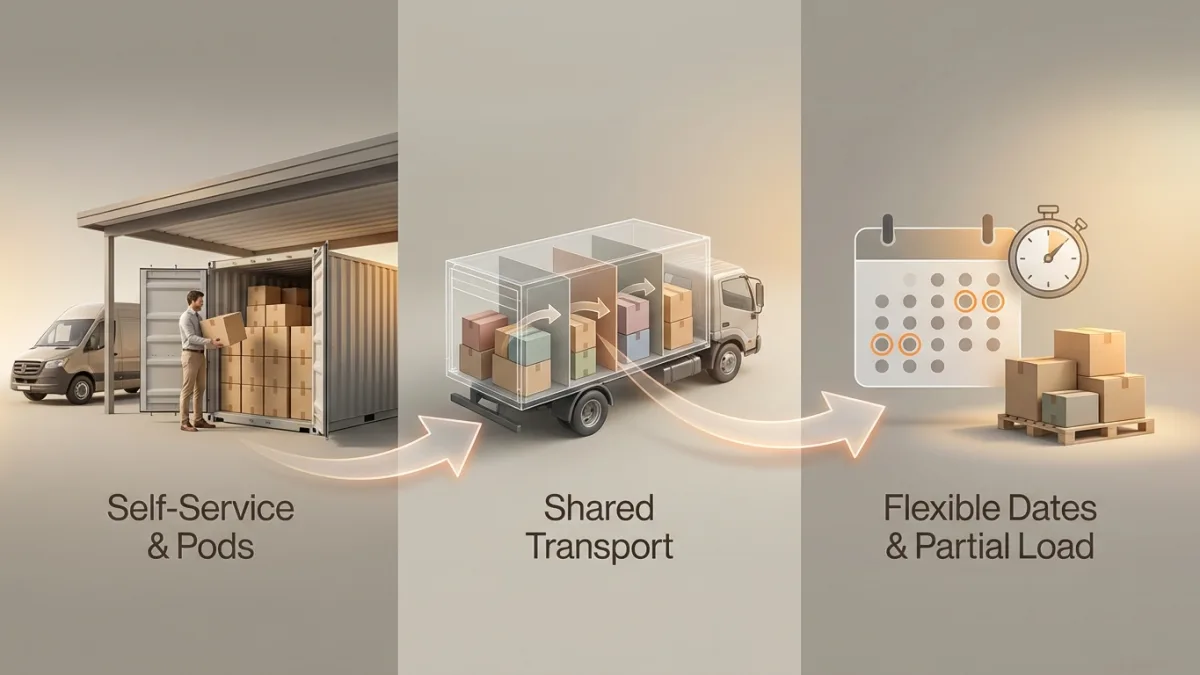
Single-item or small-load services cost less than full moving packages. If you’re relocating minimal belongings or individual furniture pieces, specialized services charge by item rather than comprehensive packages.
Rental Truck Options
Self-drive truck rentals provide maximum cost savings for capable individuals. Dubai rental companies offer various vehicle sizes from small vans to large trucks. Rental options are available with varying daily rates depending on vehicle size and rental duration.
This option requires physical capability, driving confidence with large vehicles, and helper assistance. You handle all loading, driving, and unloading. Suitable for young, fit individuals with friends willing to help.
Calculate total costs including truck rental, fuel, insurance, helper compensation, and your time investment. Factor in potential property damage from inexperienced handling. Sometimes professional movers cost less when accounting for all variables.
Shared Load Services
Consolidation services combine multiple customers’ belongings in single trucks. You share transport costs with others moving similar routes on the same day. This approach offers cost savings compared to dedicated truck services.
This approach works best for flexible schedules and minimal belongings. Shared loads require coordination between multiple customers, potentially causing delays. Delivery windows expand from specific times to broader date ranges.
Items travel with strangers’ belongings, increasing mix-up risks. Ensure thorough labeling and detailed inventory documentation. Choose reputable companies with systematic tracking procedures.
Labor-Only Services
Hiring labor without transportation suits those with access to vehicles. Companies provide workers for loading and unloading while you arrange transport separately. Hourly rates for labor-only services are available in the market.
This option works for:
- Local moves within walking distance
- Moves where you’ve borrowed or rented a vehicle
- Situations requiring only heavy lifting assistance
- Partial moves where you transport most items yourself
Combine labor-only services with rental trucks for customized solutions. You control timing, route, and costs while accessing professional muscle for heavy items.
Portable Storage Containers
Container services deliver storage units to your location. You pack at your pace, then the company transports the container to your new address or storage facility. Monthly costs for portable storage containers vary by size, typically ranging from several hundred AED for smaller units.
Benefits include:
- Extended packing time without rush
- Temporary storage during transition periods
- Reduced pressure on moving day
- Flexibility for staged moves
This approach suits complex relocations involving temporary housing, renovation delays, or international transitions requiring storage between residences.
Maximizing Value from Your Moving Budget
Strategic spending ensures quality service within financial constraints. The cheapest option rarely delivers the best value when factoring in time, stress, and potential damages.
Allocate your budget proportionally to risk and value. Invest more in handling expensive or irreplaceable items. Accept basic service for durable, low-value belongings.
Service Level Comparison
Insurance Considerations
Evaluate whether additional insurance justifies the cost. Basic coverage included in most quotes provides minimal protection—typically based on weight rather than actual value. Comprehensive insurance costs 1-5% of declared value but covers replacement costs for damaged items.
Document valuable items with photos and receipts before moving. This evidence supports insurance claims if damage occurs. Without documentation, proving item value becomes difficult.
Self-insure low-value items by accepting basic coverage. Purchase additional protection only for electronics, antiques, artwork, or expensive furniture where replacement costs significantly exceed basic compensation.
Quality Indicators Worth Paying For
Experienced crews justify higher rates through efficiency and care. Trained professionals complete moves faster with less damage than inexperienced workers. A skilled 3-person crew often outperforms a cheaper 5-person team of novices.
Proper equipment prevents damage and injuries. Companies investing in furniture dollies, moving blankets, straps, and quality trucks demonstrate professionalism. Makeshift equipment signals corner-cutting that risks your belongings.
Communication responsiveness indicates overall service quality. Companies answering questions promptly, providing detailed quotes, and confirming arrangements inspire confidence. Poor communication before the move predicts problems during service.
Vehicle condition matters significantly. Well-maintained, clean trucks with proper tie-down systems protect your belongings during transport. Old, poorly maintained vehicles increase damage risks and breakdown possibilities.
Cost-Benefit Analysis Framework
| Service Level | Typical Cost Range | Best For | Risk Level |
|---|---|---|---|
| DIY (rental truck) | Varies by vehicle size | Minimal belongings, fit individuals with helpers | High (damage, injury risk) |
| Labor-only | Hourly rates apply | Own transport, need lifting help | Medium (coordination required) |
| Basic moving service | AED 700-1,500 | Standard apartments, budget-conscious | Medium (basic insurance) |
| Full-service package | AED 1,500-3,500+ | Busy professionals, valuable items | Low (comprehensive coverage) |
| Premium movers | AED 3,500+ | Luxury properties, extensive belongings | Very Low (maximum protection) |
Compare total costs including hidden factors: time off work, helper compensation, potential damages, stress levels, and physical effort. The lowest price rarely represents the best value when accounting for all variables.
Long-Term Savings Through Quality
Damaged furniture replacement costs exceed moving savings. Price differences between cheap and quality movers become irrelevant if mishandling destroys expensive furniture. Quality service protects your investment in belongings.
Professional movers complete relocations faster, minimizing disruption to work and family life. Taking multiple days for DIY moves costs more in lost productivity than hiring efficient professionals.
Proper handling preserves item condition for future moves or resale. Furniture surviving multiple professional relocations retains value better than pieces damaged through amateur handling.
Stress reduction carries value beyond monetary calculations. Professional movers eliminate physical strain, logistical headaches, and anxiety about damage or delays. For many people, peace of mind justifies moderate additional expense.
Frequently Asked Questions
Moving costs in Dubai range from AED 700-1,200 for studio apartments to AED 3,000-6,000+ for large villas. Prices vary based on property size, with 1-bedroom apartments costing AED 900-1,500 and 2-bedroom units ranging from AED 1,300-2,500. Your final cost depends on home size, location, distance, and the type of service you choose, such as basic transport-only or full packing services.
The RTA public buses are the cheapest way to travel in Dubai, with each trip costing AED 3 to AED 7.50 using a Nol card, depending on zones traveled. The Dubai Metro and traditional Abra water taxis (costing only AED 1-2 per ride across Dubai Creek) are also among the most affordable transport modes in the city. Bus and metro fares start at AED 3 per ride with a Silver Nol Card, making public transport extremely cost-effective compared to taxis or ride-hailing services.
Contact at least three to five moving companies to compare their rates and services. Request detailed quotes from multiple providers based on an assessment of your relocation needs to avoid being overcharged. Keep in mind that the lowest quote may not always be the best choice—consider factors such as insurance, quality of service, and customer reviews on platforms like Google before making your decision.
Among taxis, Uber, or Careem in Dubai, the regular RTA Dubai Taxi fares are the most affordable, with thousands of vehicles easily found throughout the city. Hala Taxi, bookable through the Careem app, is among the cheapest ride-hailing services in Dubai. Regular RTA taxis are typically more economical than Uber or Careem, as ride-hailing services generally charge premium rates over standard taxi fares.
Verify whether the moving company is legally registered and licensed with the Department of Economic Development (DED), as legitimate companies operate under UAE regulations and can be traced if issues arise. Never accept a moving quote over the phone—professional companies always insist on conducting a free survey of your home to protect you from bait-and-switch tactics and hidden fees. Demand a detailed written contract that includes scope of work, costs, and terms of service, and be wary of companies that avoid putting estimates in writing or provide vague quotes.
Pricing depends on the size of your home, distance, packing requirements, furniture dismantling, and any building access restrictions. Costs vary based on volume, packing level, and access logistics such as elevator availability or stair access. The time of year and day of the week also impact prices—weekends and month-end periods typically cost 10-20% more, while Tuesday through Thursday moves are typically cheaper with better availability and lower rates.
Start looking for movers at least 2 weeks in advance to secure better rates and availability. Booking 2-3 weeks ahead and choosing Tuesday-Thursday moves can typically save 10-15% compared to peak weekend relocations, with early booking securing the best rates and preferred time slots. It’s recommended to book your local moving service as early as possible, especially during peak rental periods at month-end, with larger apartments requiring bookings 2-4 weeks before your move.
